


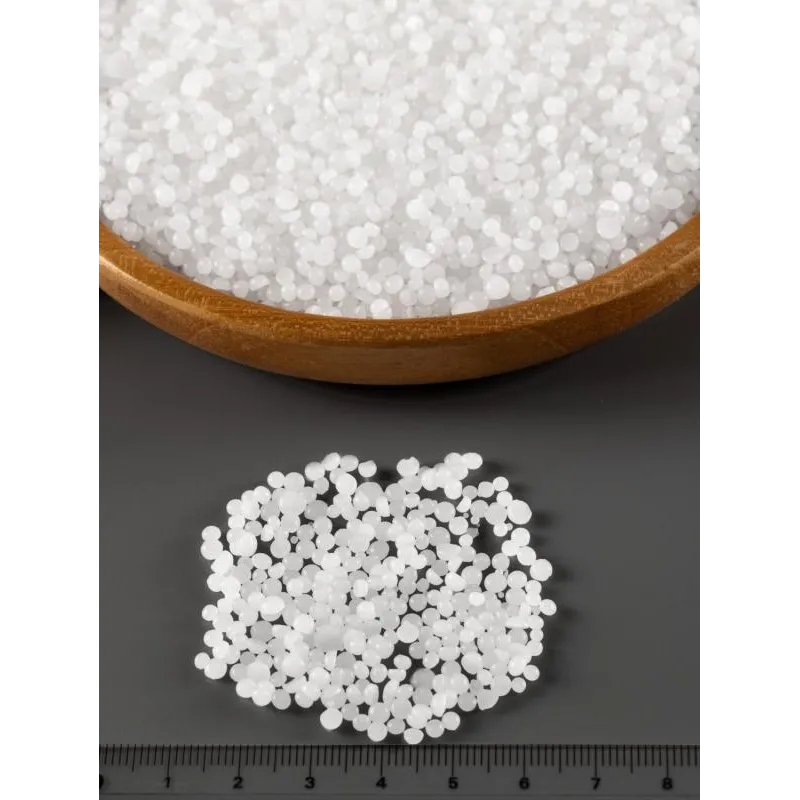
 Academy
Wax and wick sample pack for moulded candles
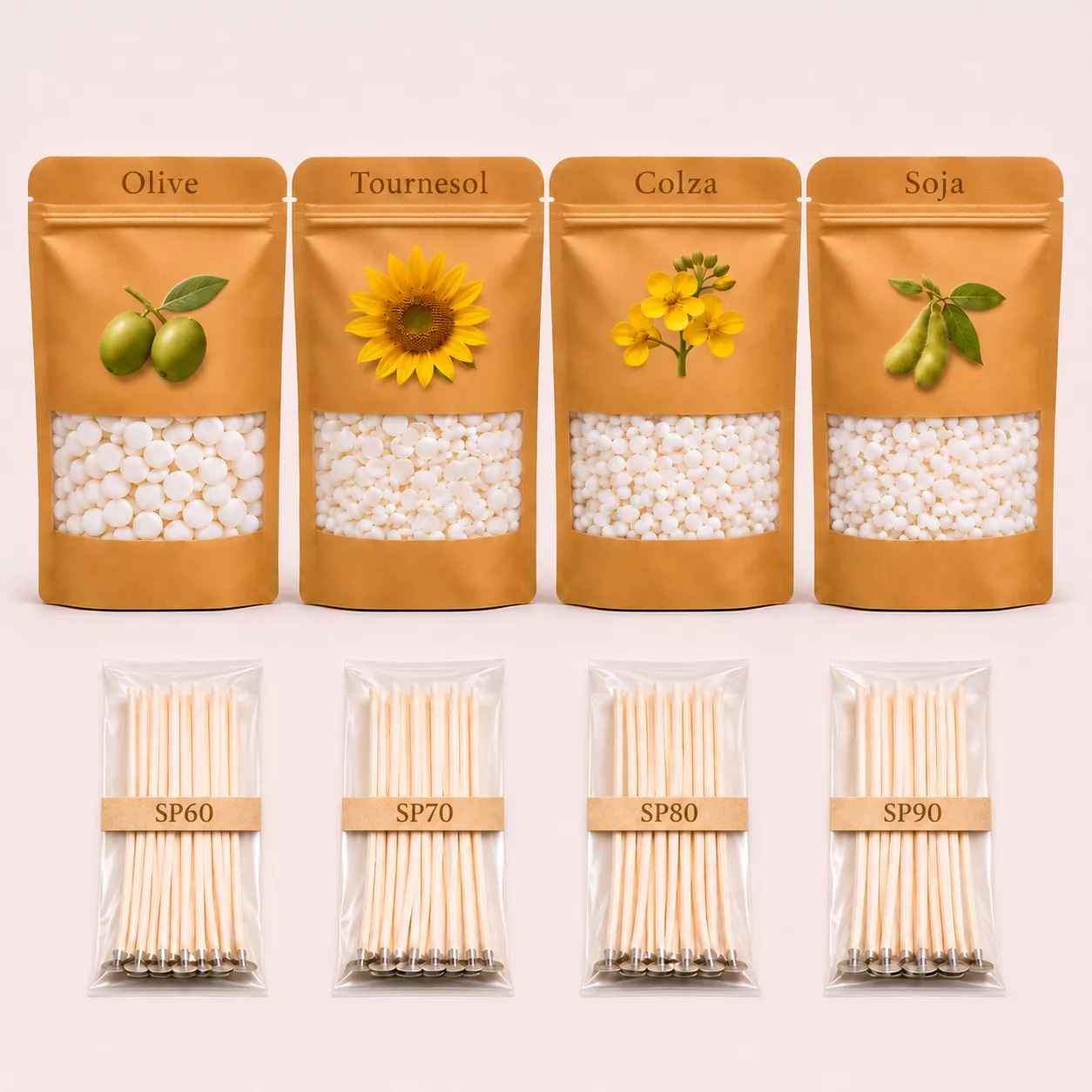
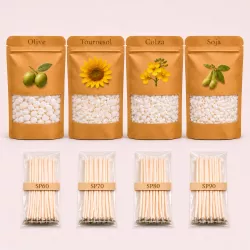
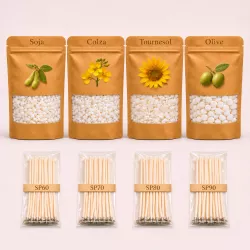
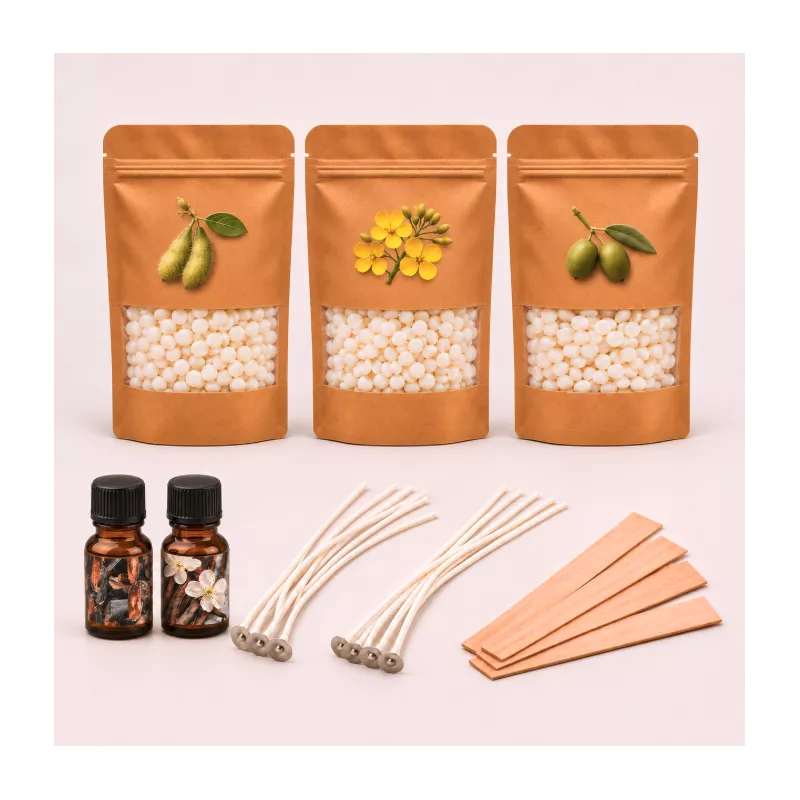
Compare four 1 kg KERAGREEN plant-based wax samples and 40 SP cotton wicks for moulded candles. Test mould release, detail definition and surface finish on your pillars or decorative shapes.
Pack highlights
- 4 plant-based waxes · 1 kg of each
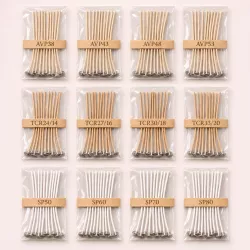
- 40 SP cotton wicks · 12 cm
- For pillar and decorative candles
No minimum order
For orders containing discovery packs only.
Price per pack
Price:
€40.00
VAT excluded Any delivery charges are calculated at checkout
In stock
Pack contents
4 kg of wax and 40 wicks in total.
This pack is designed for workshops choosing a wax for candles removed from a mould. Use your own mould to compare four plant-based waxes and identify those that best reproduce the shape and finish you want.
| Samples included | Quantity |
|---|---|
| KERAGREEN Pilar soy wax | 1 kg |
| KERAGREEN rapeseed wax | 1 kg |
| KERAGREEN sunflower wax | 1 kg |
| KERAGREEN olive wax | 1 kg |
| SP 60, SP 70, SP 80 and SP 90 cotton wicks (12 cm) | 10 of each reference |
Plan your tests
Which wax suits a pillar or decorative shape?
For a smooth pillar, check the evenness of the sides, top and base. For a sculpted candle, inspect edges, fine details and narrow areas that may be damaged during demoulding. Also check stability on a flat surface and the condition of the candle after handling.
Results depend on the mould and how you process the wax. Follow each wax technical sheet, then compare prototypes after similar cooling times. Record any difficulty releasing the candle and any finishing work needed to estimate workshop finishing time.
From your chosen wax to the finished candle
The included SP cotton wicks are references for testing. For a candle intended to be lit, assess the wick in the final shape: a cylindrical pillar and a sculpted candle do not melt in the same way. Depending on your project, the ADC guide also helps you explore braided wicks supplied on reels.
If you plan a fragranced or coloured version, make a new prototype with that formula. Reassess the finish and burn performance before choosing the combination.
How to organise your tests
1. Choose a mould representative of your range. Identify each wax and record its preparation conditions.
2. Demould each prototype according to its wax guidance. Compare ease of release, detail definition, edges and surface finish.
3. Repeat the test with your chosen wax in the most demanding mould or your best-selling format.
4. For candles intended to burn, validate the wick in the final shape and formula. Keep a test record for each combination.
Frequently asked questions
Is one mould enough to get started?
Yes. Use the same mould to compare the waxes, then test the wax you select in the other shapes in your collection.
Can I use this pack for candles in glass containers?
Choose the container candle pack to compare waxes designed to remain in their containers.
What should I check if a detail breaks during demoulding?
Record the exact area and check the preparation and cooling guidance. Repeat the test before drawing a conclusion about the wax or mould.
Explore more at ADC
Pack contents
4 kg of wax and 40 wicks in total.
This pack is designed for workshops choosing a wax for candles removed from a mould. Use your own mould to compare four plant-based waxes and identify those that best reproduce the shape and finish you want.
| Samples included | Quantity |
|---|---|
| KERAGREEN Pilar soy wax | 1 kg |
| KERAGREEN rapeseed wax | 1 kg |
| KERAGREEN sunflower wax | 1 kg |
| KERAGREEN olive wax | 1 kg |
| SP 60, SP 70, SP 80 and SP 90 cotton wicks (12 cm) | 10 of each reference |
Which wax suits a pillar or decorative shape?
For a smooth pillar, check the evenness of the sides, top and base. For a sculpted candle, inspect edges, fine details and narrow areas that may be damaged during demoulding. Also check stability on a flat surface and the condition of the candle after handling.
Results depend on the mould and how you process the wax. Follow each wax technical sheet, then compare prototypes after similar cooling times. Record any difficulty releasing the candle and any finishing work needed to estimate workshop finishing time.
From your chosen wax to the finished candle
The included SP cotton wicks are references for testing. For a candle intended to be lit, assess the wick in the final shape: a cylindrical pillar and a sculpted candle do not melt in the same way. Depending on your project, the ADC guide also helps you explore braided wicks supplied on reels.
If you plan a fragranced or coloured version, make a new prototype with that formula. Reassess the finish and burn performance before choosing the combination.
How to organise your tests
1. Choose a mould representative of your range. Identify each wax and record its preparation conditions.
2. Demould each prototype according to its wax guidance. Compare ease of release, detail definition, edges and surface finish.
3. Repeat the test with your chosen wax in the most demanding mould or your best-selling format.
4. For candles intended to burn, validate the wick in the final shape and formula. Keep a test record for each combination.
Frequently asked questions
Is one mould enough to get started?
Yes. Use the same mould to compare the waxes, then test the wax you select in the other shapes in your collection.
Can I use this pack for candles in glass containers?
Choose the container candle pack to compare waxes designed to remain in their containers.
What should I check if a detail breaks during demoulding?
Record the exact area and check the preparation and cooling guidance. Repeat the test before drawing a conclusion about the wax or mould.
Explore more at ADC
Category Discovery Packs
Category Discovery Packs
Pack contents
4 kg of wax and 40 wicks in total.
This pack is designed for workshops choosing a wax for candles removed from a mould. Use your own mould to compare four plant-based waxes and identify those that best reproduce the shape and finish you want.
| Samples included | Quantity |
|---|---|
| KERAGREEN Pilar soy wax | 1 kg |
| KERAGREEN rapeseed wax | 1 kg |
| KERAGREEN sunflower wax | 1 kg |
| KERAGREEN olive wax | 1 kg |
| SP 60, SP 70, SP 80 and SP 90 cotton wicks (12 cm) | 10 of each reference |
Which wax suits a pillar or decorative shape?
For a smooth pillar, check the evenness of the sides, top and base. For a sculpted candle, inspect edges, fine details and narrow areas that may be damaged during demoulding. Also check stability on a flat surface and the condition of the candle after handling.
Results depend on the mould and how you process the wax. Follow each wax technical sheet, then compare prototypes after similar cooling times. Record any difficulty releasing the candle and any finishing work needed to estimate workshop finishing time.
From your chosen wax to the finished candle
The included SP cotton wicks are references for testing. For a candle intended to be lit, assess the wick in the final shape: a cylindrical pillar and a sculpted candle do not melt in the same way. Depending on your project, the ADC guide also helps you explore braided wicks supplied on reels.
If you plan a fragranced or coloured version, make a new prototype with that formula. Reassess the finish and burn performance before choosing the combination.
How to organise your tests
1. Choose a mould representative of your range. Identify each wax and record its preparation conditions.
2. Demould each prototype according to its wax guidance. Compare ease of release, detail definition, edges and surface finish.
3. Repeat the test with your chosen wax in the most demanding mould or your best-selling format.
4. For candles intended to burn, validate the wick in the final shape and formula. Keep a test record for each combination.
Frequently asked questions
Is one mould enough to get started?
Yes. Use the same mould to compare the waxes, then test the wax you select in the other shapes in your collection.
Can I use this pack for candles in glass containers?
Choose the container candle pack to compare waxes designed to remain in their containers.
What should I check if a detail breaks during demoulding?
Record the exact area and check the preparation and cooling guidance. Repeat the test before drawing a conclusion about the wax or mould.
Explore more at ADC
DEDICATED
SUPPORT
VOLUME
PRICING
24H DELIVERY
IN EUROPE
900+ M² OF
STOCK SPACE
PAYMENT IN
INSTALMENTS
Ordering in large quantities?
Questions about delivery? Need more information about our products?
Talk to our team to request a tailored quote, order a sample or ask about our prices.

Request a quote
Related products
Experts working for professionals
Expertise. Responsiveness. Professionalism.
What makes ADC Solution different
Support tailored to your needs
- Écoute active et humaine
- Des conseils personnalisés
- Accompagnement technique pour mieux gérer les difficultés
- Produits adaptés aux exigences pro
- Des offres de services spécifique
à chaque client :
- Gestion des volumes
- Gestion de trésorerie
Customer reviews
- Note client moyenne : 4,8/5
- Christopher F-J : « Fournisseur à l’écoute, très réactif et toujours chaleureux »
- Hugo P : « Équipe à l’écoute, réactive et professionnelle »
- Jeanne L : « oujours disponible pour conseiller et accompagner un projet »
Distinctive products
- Fabricant de sa propre marque
- Des produits uniques et 100% végétaux
- Des produits 100 % écologiques en
circuits courts - Contrôle qualité rigoureux à chaque étape
de fabrication - + de 40 ans d’expérience dans la cire
- Tracabilité et transparence des produits