




 Academy
Practical guide: using additives to improve your candles
Why use additives in your candles?
Candles are more than sources of light or decorative objects: they often reflect their maker's care and creativity. Adding additives to your formulas can turn ordinary candles into high-quality creations. These substances improve texture, burning, appearance and longevity. But how do you find your way through a subject that can seem technical? This detailed guide helps you choose and use additives to get the best from your candles.
What is a candle additive?
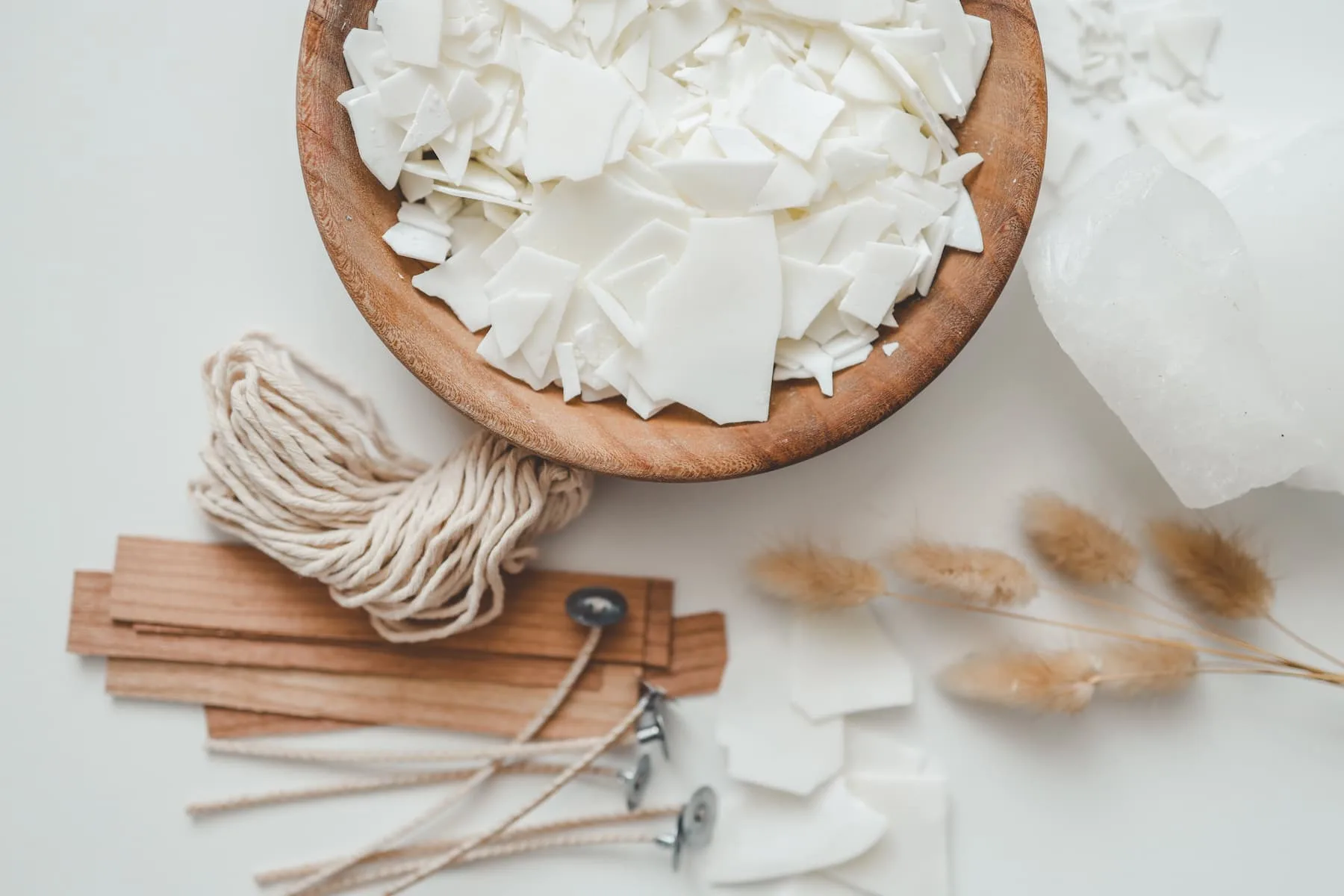
An additive is a substance added to a wax base to change or improve its properties. Additives help achieve specific aims, such as adjusting texture or increasing burn time. They can be natural or synthetic and are often designed for particular wax types, including plant-based, mineral or blended waxes.
The benefits of additives: improving your creations
Better texture
Additives such as stearic acid or paraffin can make wax harder and help prevent cracks, creating a smooth, professional surface.
Controlled burning
Some additives help candles burn more evenly by preventing the flame from becoming too strong or irregular.
Appearance and longevity
Additives can stabilise colours and fragrances so that candles remain attractive for longer, even after extended storage.
Popular types of candle additives
Hardening additives
-
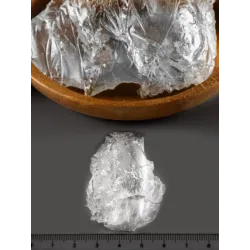
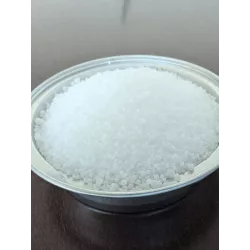
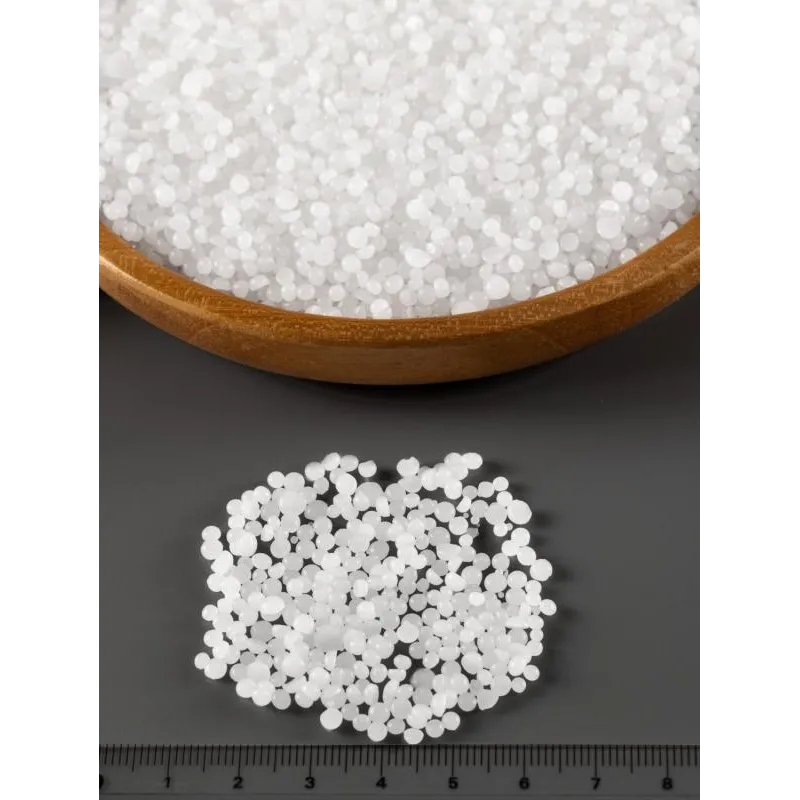
Stearic acid: Ideal for moulded candles, it hardens the wax and makes it easier to remove from the mould.
-
Polyethylene: Used to increase candle firmness.
Additives for greater transparency
-
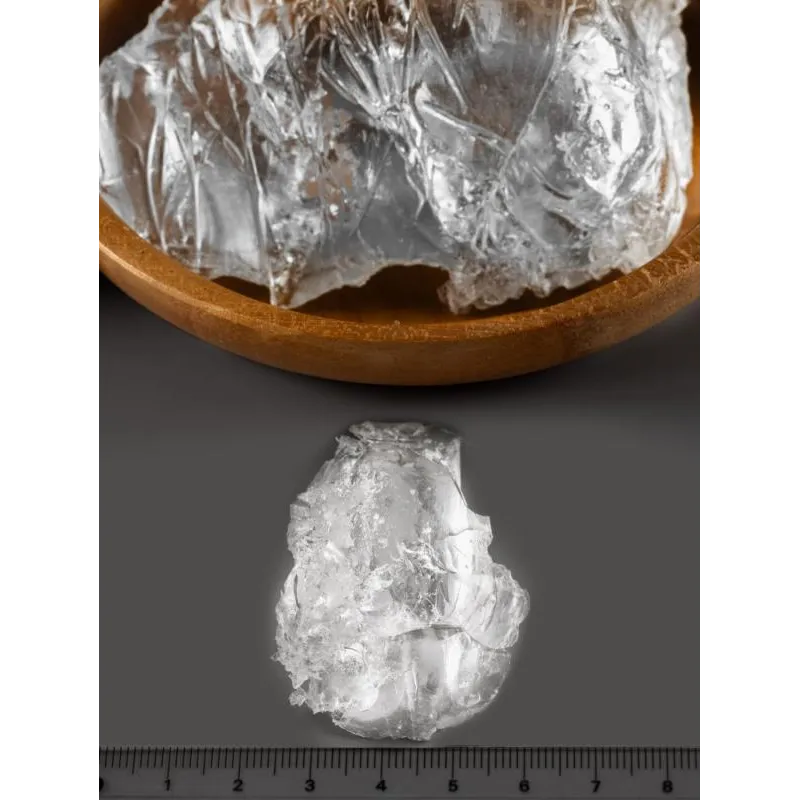
Microcrystalline wax: Makes wax more translucent, ideal for decorative candles.
Additives to stabilise colours and fragrances
-
UV stabiliser: Protects candles from fading caused by light.
-
Vybar: A versatile additive that boosts fragrance intensity and ensures even distribution.
How to choose the right additive for your wax
To make the right choice, consider:
-
The wax type: Every wax has its own properties and needs compatible additives.
-
Your aim: Your choice of additive will depend on whether you want to strengthen the candle or enhance its fragrance.
-
Recommended proportions: Too much additive can alter the wax's natural qualities.
Steps for adding additives to your production process
-
Accurate weighing: Measure additives carefully to follow the recommended proportions, often 2–10%.
-
Temperature: Add additives to melted wax at the specified temperature, generally between 70 and 90°C.
-
Even mixing: Stir gently but continuously to incorporate them properly.
Common mistakes to avoid when using additives
-
Using too much: Excess additives can make wax brittle or change its melting point.
-
Chemical incompatibility: Make sure your chosen additive is compatible with your wax and fragrances.
Improve your candles with carefully chosen additives
Adding additives is an important step in making professional-quality candles. By choosing products carefully and following the recommended amounts, you can improve your candles' lifespan, appearance and performance. Why not try them and see the difference for yourself?
FAQs about using candle additives
What are the best additives for scented candles?
Liquid colourant stabiliser is popular for stabilising fragrances and improving scent release.
Yes, for example stearic acid from natural sources. Discover our candle additives!
Does every type of candle need additives?
No. It depends on the result you want. Some ready-blended waxes already contain additives.
Can additives affect a candle's flame?
Yes. Some help control burning to produce attractive flames and a longer burn time.
Where can I find quality additives?
From specialist suppliers such as ADC Solution, which offers products compatible with a range of wax types.